




This is 3rd in the series of Build vs Buy vs Rent: The AI Infrastructure Decision Tree for Startups.
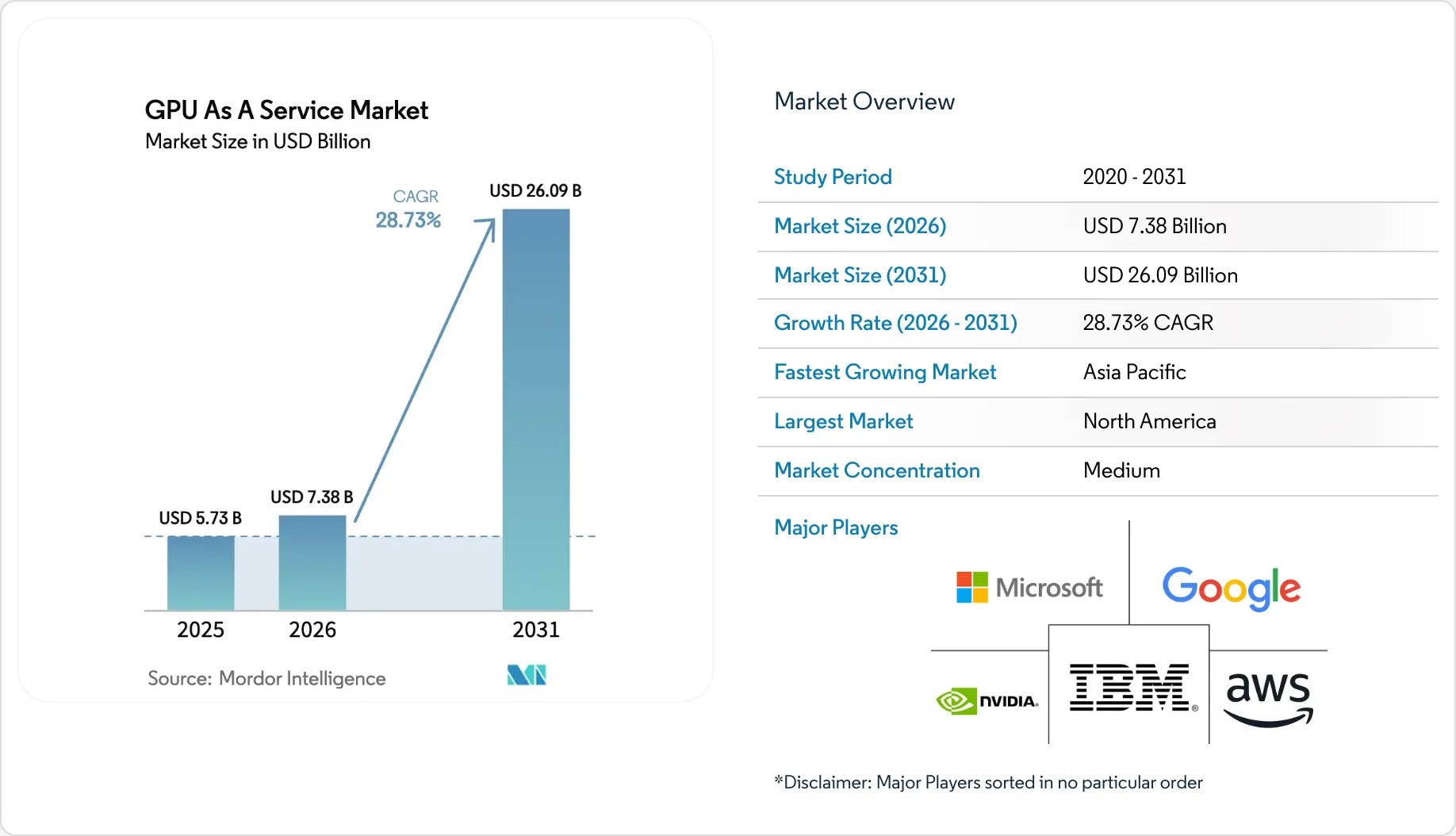
The global GPU rental market grew from 3.2 billion dollars in 2023 to a projected 9.8 billion by 2025. That growth created a new category of infrastructure provider called neoclouds or GPU-as-a-Service.
Neo-clouds ( GPU-as-a-Service) compete with AWS, GCP, and Azure on price and specialization.
CoreWeave is the largest, with trailing revenues around 3.5 billion dollars. Lambda Labs, Crusoe, RunPod, and Spheron cover different segments of the market, from enterprise multi-year contracts to developer-friendly hourly access to sustainability-focused compute. and what they all have in common is that they are cheaper than hyperscalers for GPU-intensive AI workloads.
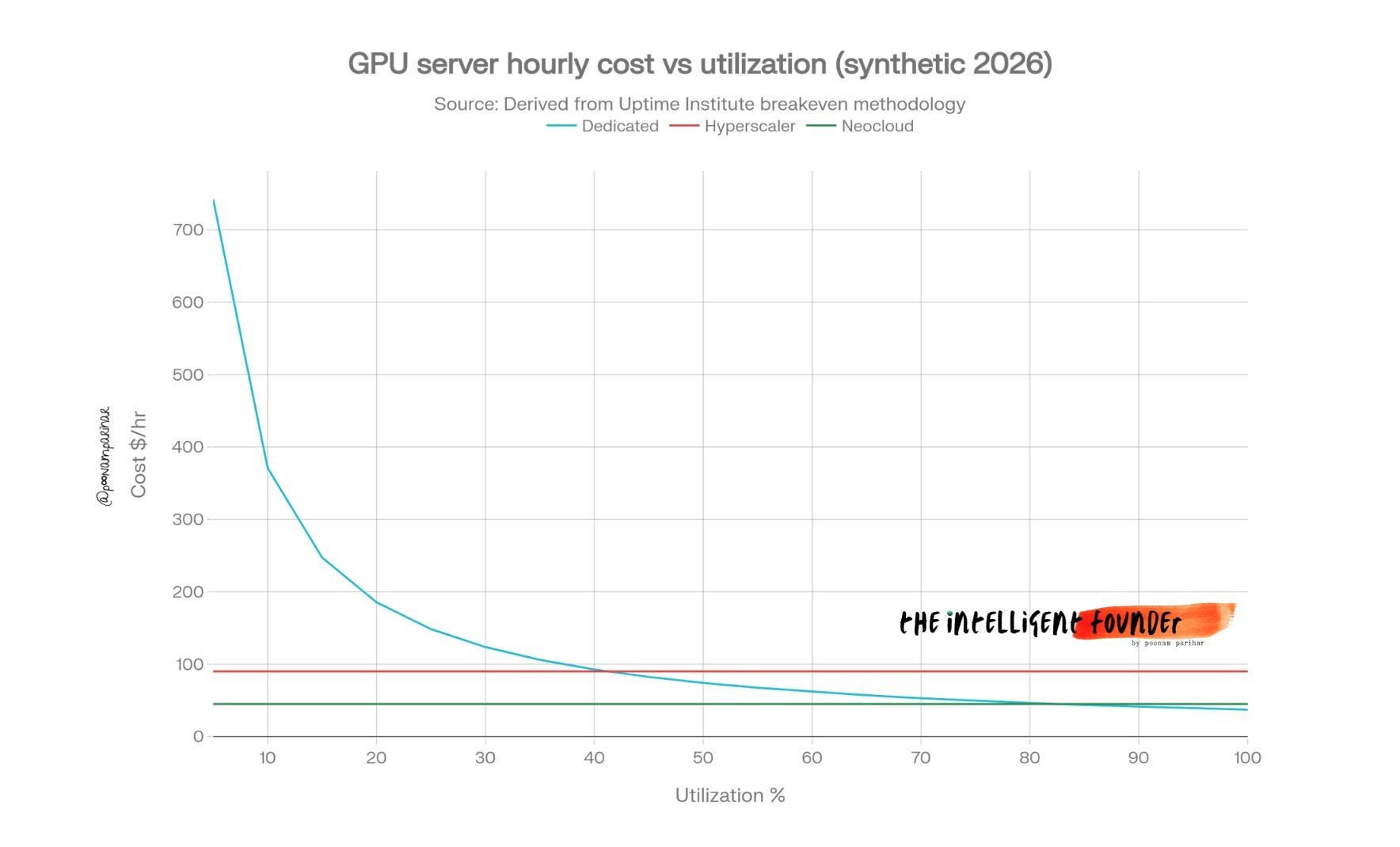
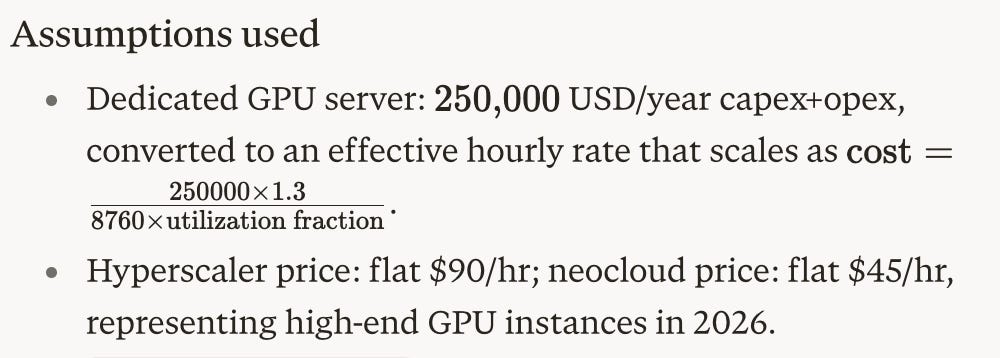
Current pricing for H100-class compute runs between 1.80 and 3.50 dollars per hour on specialist providers, with spot instances as low as 1.20 dollars per hour. AMD MI300X alternatives often come in 30 to 40 percent cheaper than Nvidia H100 for equivalent inference throughput.
There are Four pricing models available:
on-demand by the hour,
reserved instances with 30 to 60 percent discounts for committed periods,
spot instances that can be interrupted, and
bare metal for teams at significant scale.
The strategy maps directly to workload type.
Variable traffic: on-demand.
Stable production inference: reserved.
Training and batch jobs: spot.
High-throughput inference: bare metal.
The most commonly missed cost is egress.
Moving data out of a cloud environment typically costs 80 to 90 dollars per terabyte. For applications with larger inputs or outputs, egress can add 20 to 40 percent to the apparent cost of GPU rental. and It is almost never included in headline pricing comparisons.
SO, the right way to use GPU rental markets is as a bridge.
Validate on APIs, build observability into your utilisation patterns, then move to reserved GPU rental once your traffic is predictable enough to commit.
That is the staircase: API to reserved rental to owned hardware, moving up each step only when the data justifies it.
Listen to the full episode here, in Substack app, or Apple, Spotify / youtube.


