

Gartner's bombshell of “dead-by-2027” claim about Agents is anything but misleading
The Anatomy of the Shake-Out Phase - all about AI agent revolution, and future roadmap

You know, it's wild when you step back, and look. I haven’t even been able to finish all the 2025 trend reports I have on my desk. Just 3 months ago, we were seeing this totally wild AI agent hype storm sweep across the tech world. I'm talking about the most compressed hype-to-reality cycle that I've ever witnessed in tech.
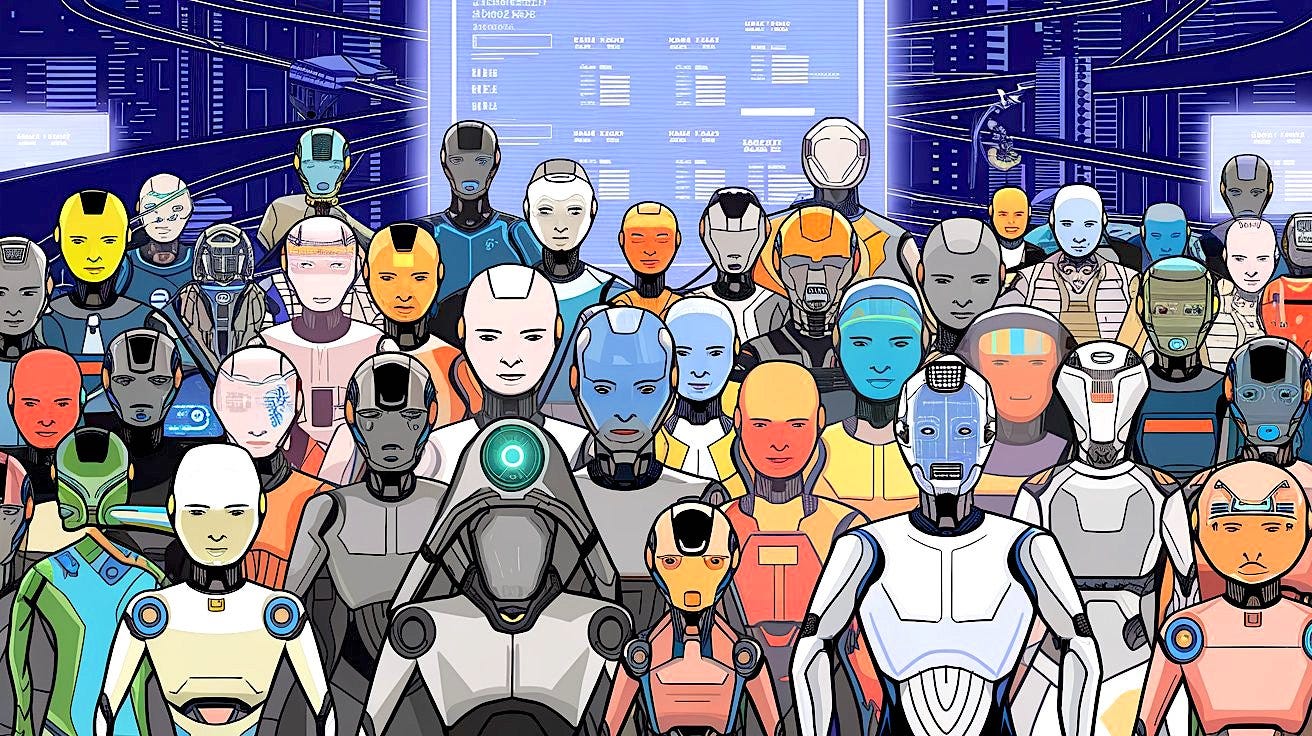
Picture this: December 2024, Google launches Gemini 2.0 "for the agentic age." January rolls around and OpenAI releases Operator—it’s very first actual AI agent that can book dinner reservations. Overnight, the whole internet was consumed with making these things. YouTube was abuzz with "How to Make AI Agents" videos racking up hundreds of thousands of views. LinkedIn saw its PDF downloads of agent-creating templates swamp its servers—some of them recording over 6,000 downloads in days. And when viral content went through the roof, Google rolled out their A2A protocol with 50+ large partners—Atlassian, Salesforce, SAP, ServiceNow. Microsoft had 200,000 sign up for Ignite 2024, pushed out 80 new AI features, and boasted 70% of Fortune 500 are using Copilot now. The market grew from $5.4 billion to $50+ billion estimates by 2030.
And then just yesterday’s NEW-FLASH - Gartner drops the bombshell: 40% of AI agent projects will be abandoned by 2027. Right in the middle of this record-breaking boom! It's like throwing the world's biggest party and hoping half the invitees leave early.
Gartner's June 2025 prediction that over 40% of agentic AI projects will be put on hold by the end of 2027 is the most definitive assessment of the business potential of the technology. The research firm's projection, based on surveys of 3,412 industry participants, finds that 19% of businesses spent heavily on agentic AI and 42% adopted conservative strategies, 31% adopting wait-and-see approaches. Gartner Analyst, calling the agentic AI as projects a "early-stage experiments or proof of concepts that are largely hype-driven and often misapplied”, the prognosis, I kind of agree with but not just agentic but generative AI projects as well, in my opinion. But this is mostly business deployments evaluation, when measuring sophisticated business objectives.
While near-universal enthusiasm exists for self-directed AI systems, a growing wave of industry experts and researchers are now predicting the unavoidable fate of the current crop of AI agent initiatives, with authoritative analysis projecting failure rates of almost 70% and systematic project cancellation through 2027. Industry analysts bear witness to attending "dozens of vendor presentations where basic automation was rebranded as autonomous agents," obscuring what is actually agentic capacity.
Gartner predicts that not more than maybe 130 of thousands of self-styled agentic AI providers offer true capabilities and the others are engaging in "agent washing" and representing available products with minimal or no agentic functionality. Such widespread misrepresentation is fueling delusional expectations and project failure in enterprise deployments.
Both sides are probably right. The tech is revolutionary, but the pragmatic challenges are real too. We're witnessing the most honest hype cycle in the history of technology—where promise and potholes are visible simultaneously.
Expert Consensus on Overhype
Technology experts increasingly characterize agentic AI as suffering from unrealistic expectations and simplistic solutions. The general view of practitioners is that current large language model deployments are not yet reliable and contextual enough to carry out independent business process execution. Industry analysis demonstrates that most applications marketed as agentic are not in need of agentic implementations, as conventional automation tools offer higher reliability and cost-savings. This deep misalignment between business needs and technological capabilities is the driver for the anticipated high cancellation rates.
Empirical Evidence of Systematic Failure
Carnegie Mellon University research exemplifies that cutting-edge AI agents achieve only 30-35% success rates on multi-step tasks and possess critically degrading performance in multi-turn environments. The study, conducted in real-world office environments, reported that even top-performing models like GPT-4o achieve mere 36.2% overall success rates on complex workflows. Salesforce's CRMArena-Pro benchmarking reveals that best-in-class language model agents have mediocre 58% single-turn success rates reduce to a level of about 35% in multi-turn settings. These performances represent general limitations in current agent design rather than implementation problems.
The Cost-Benefit Mismatch
Studies have revealed that AI agent task completion is around 30 steps per task at a cost of about $6.34 per execution—far more expensive and time-consuming than human effort. This economic reality undermines the value proposition for enterprise deployment, particularly when paired with 70% failure rates. Real-world implementations reveal that AI agents create as many problems as they solve, requiring significant amounts of human intervention and correction that negates productivity gains. Financial services firms quote 25% with greatly failed rollouts when implementing AI agent systems.
The Reality Gap: Demonstrations vs. Production
A number of studies substantiate a chasm between dazzling demonstrations and production reliability. Whereas promotional material emphasizes silky smooth AI agent performance, empirical testing documents chronic failure cases when used in real-world applications with varying conditions and complex specifications. The probability to complete six successive CRM tasks dwindles to a meager 25% in ten execution cycles, demonstrating the volatility that characterizes current agent implementations. Such reliability deficiency essentially debilitates the business case for large-scale deployment of agents. Despite optimistic predictions that by 2028, 15% of work decisions are to be made independently by AI agents every day, current evidence leans more towards wishful thinking and not a practical assessment of technology readiness for this horizon. The interplay between high failure rates, ubiquitous vendor misrepresentation, and economic inefficiency lays the ground for the projected mass cancellation of AI agent projects by 2027
The Anatomy of the Shake-Out Phase
This shake-out phase has created a unique moment where both extraordinary promise and sobering limitations of AI agents are visible at the same time.
What AI agent market is experiencing is —a natural evolutionary stage where initial enthusiasm meets practical reality. Current data reveals that 65% of AI agent projects failed in 2024, yet those that succeed generate 3.2x ROI on average. This dichotomy illustrates the fundamental challenge: while the technology has matured sufficiently for production deployment, successful implementation requires sophisticated understanding of both technical capabilities and business context.
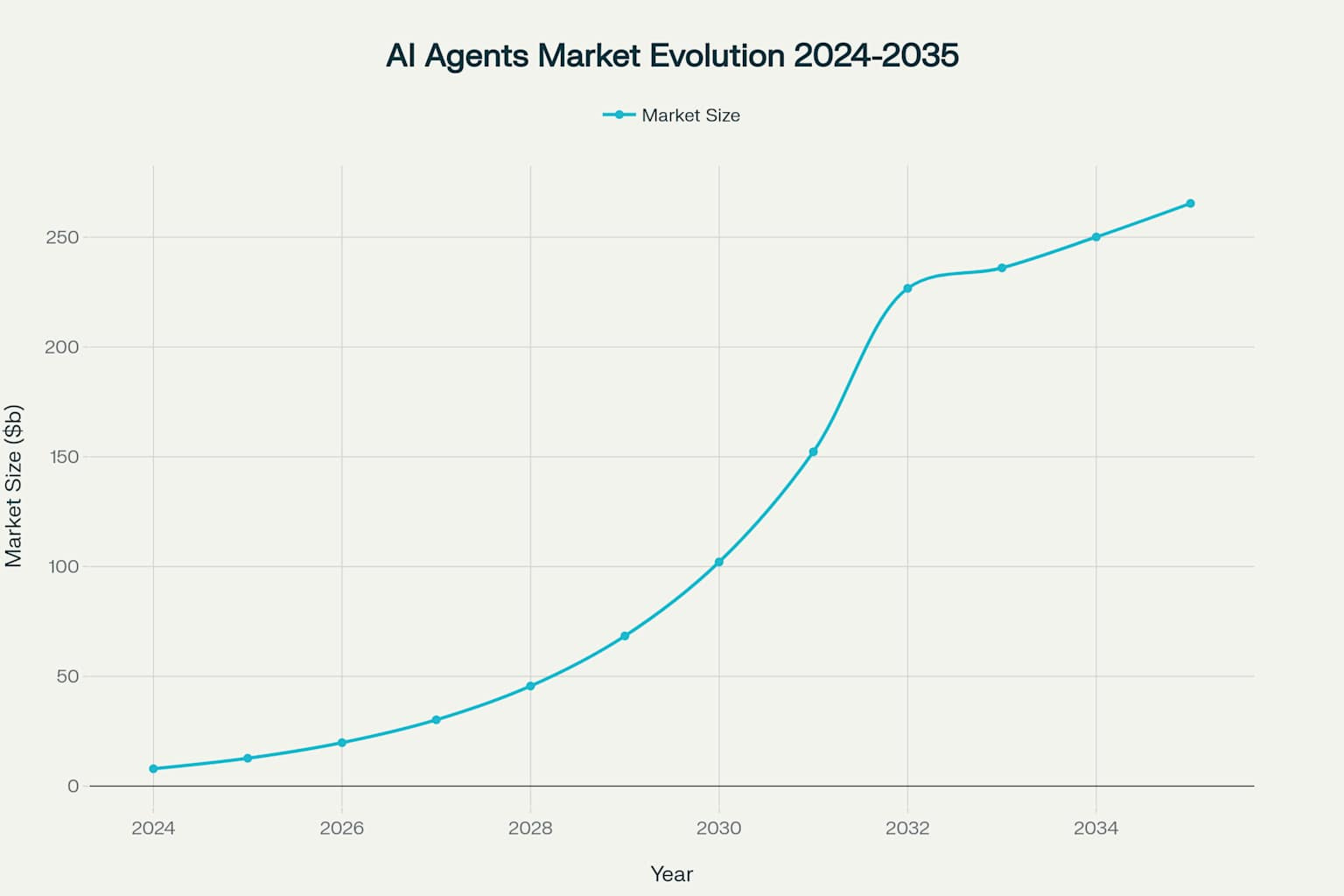
Unlike previous AI winters characterized by technological limitations, today's shake-out is driven by implementation and scoping challenges rather than fundamental capability gaps. Modern AI agents can successfully complete 30-35% of multi-step tasks, with top-performing models like Gemini 2.5 Pro achieving 30.3% task completion in simulated office environments. However, common failure modes include inability to handle basic UI interactions, failure to follow communication protocols, and creating "shortcut" solutions that compromise system integrity.
The Economics of Maturation
Firms price ROI at 3x to 6x in the first year of implementation, with 62% expecting triple-digit returns. This financial reality is leading to rapid adoption by business, and 51% have already implemented AI agents and a further 35% plan to implement within two years2. The financial inducements are appealing: a telecom provider saved $4.2 million annually per $1 million invested, achieving 4.2x ROI from automating 70% of incoming queries.
The keys to success are increasingly in strategic deployment rather than technology innovation. Successful enterprises are focused on carefully defined, narrowly scoped use cases with carefully defined success metrics, solid governance procedures, and human-in-the-loop control processes. They avoid the "agent washing" phenomenon in which vendors repackaged prior AI assistants without real capability improvements.
The Evolution of AI Agents
The AI agents' history has passed through three general phases: foundation research (1950–1990), incremental improvement (1990–2020), and exponential growth (2020–2025). The initial era began with Alan Turing's 1950 proposal for machine intelligence and the 1956 Dartmouth Conference naming "artificial intelligence." ELIZA (1966) provided evidence that computers can engage in elementary conversation through pattern matching, but the 1970–1990 decade created the expert systems like MYCIN and R1/XCON, which imitated human decision-making in specific domains but were limited by their inability to learn from experience.
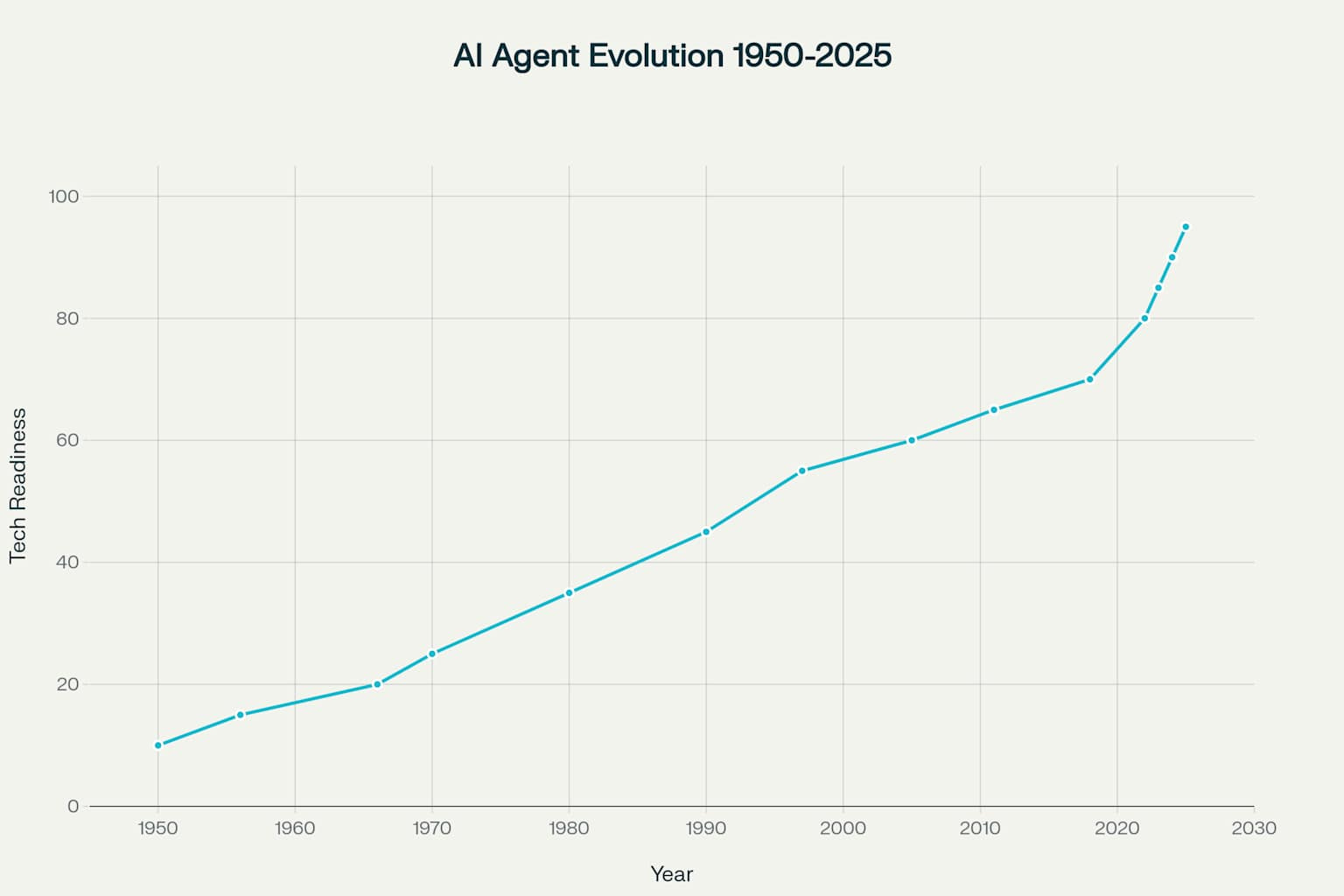
The era of emergence (1990–2020) saw the shift to intelligent agents that could reason about intentions, desires, and beliefs. This was the era when software and robot agents exploded, web crawlers came into view, and recommender systems made an appearance on sites like Amazon. Virtual assistants Siri, Alexa, and Google Assistant made their debut in the 2010s, years that witnessed grand breakthroughs in natural language understanding.
The acceleration phase (2020–2025) was initiated by the release of ChatGPT in 2022 that merged natural language understanding with autonomous action. This enabled agents to break down complex instructions and execute tasks across various domains. Recent advances encompass models with advanced reasoning, massive context windows, and multimodal capabilities, opening the door for rapid breakthroughs and widespread applications of AI agents in industries.
The Next Decade: Industry-Agnostic Applications Roadmap (2025-2035)
Phase 1: Foundation and Scale (2025-2027)
2025: Mainstream Adoption
Enterprise Integration: 42% of organizations deploy AI agents, with focus on customer service, sales automation, and internal process optimization.
Workflow Orchestration: Multi-agent systems manage complex business processes, from employee onboarding to supply chain optimization.
Document Processing Revolution: Automated scraping, summarization, and micro-course creation become standard practices for knowledge management.
2026: Enhanced Autonomy
Proactive Decision-Making: Agents transition from reactive responses to predictive action, monitoring systems and addressing issues before human awareness.
Cross-Domain Integration: Seamless operation across software platforms, enabling end-to-end process automation without human handoffs.
Quality Standardization: Industry-wide adoption of governance frameworks reduces failure rates from 52% to 42%.
2027: Strategic Collaboration
Human-AI Teams: 20% human / 80% AI agent operational models become standard in routine operations.
Adaptive Learning: Real-time model updates and personalization based on organizational context and performance feedback
Industry Specialization: Domain-specific agents for healthcare, finance, legal, and manufacturing with deep sector expertise.
Phase 2: Intelligence Amplification (2028-2030)
2028: Cognitive Enhancement
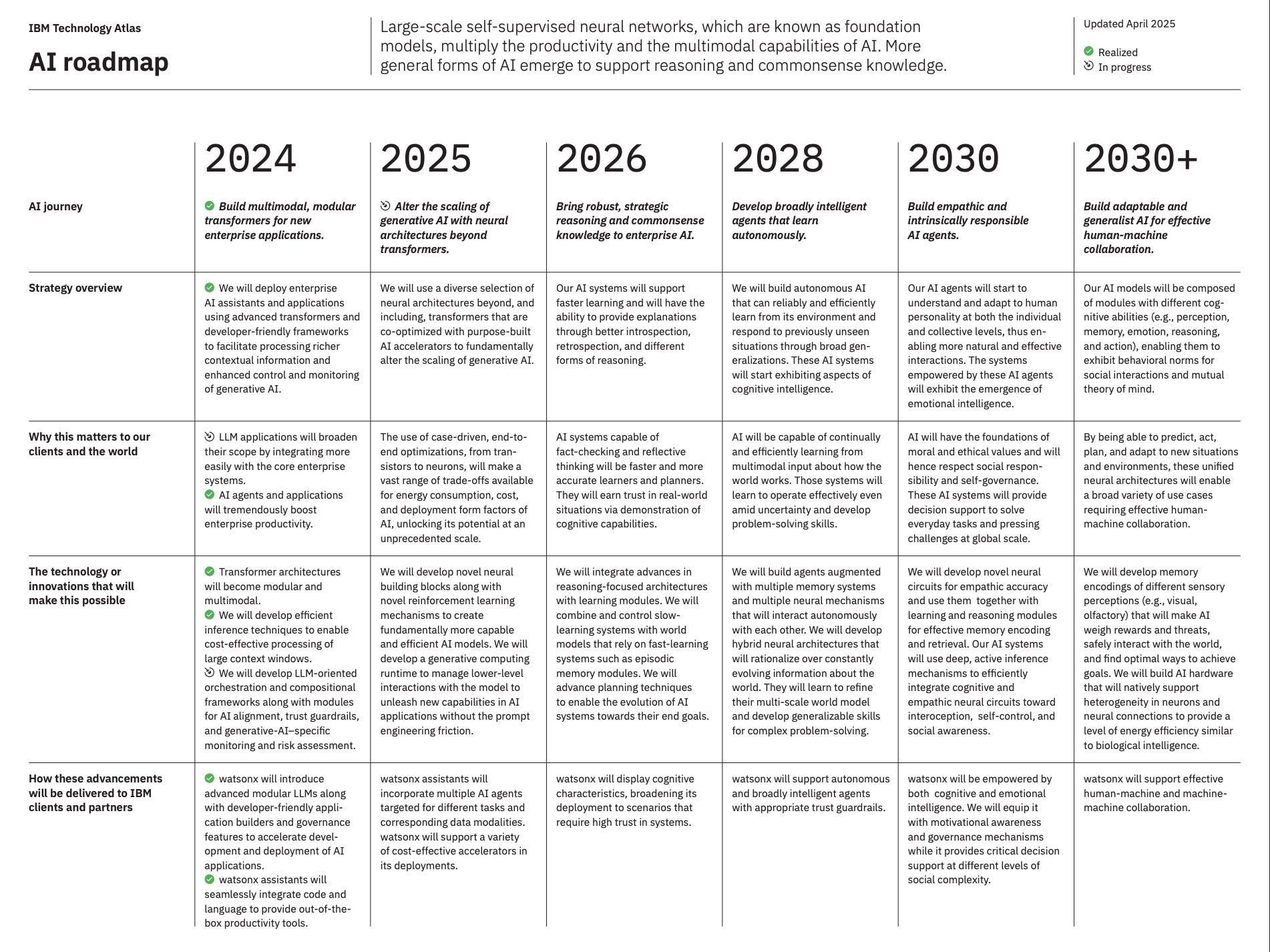
Autonomous Learning: AI agents develop broadly intelligent capabilities, learning from their environment and responding to previously unseen situations.
Complex Problem Solving: Multi-step reasoning across weeks and months, maintaining context and strategic objectives.
Resource Optimization: Dynamic allocation of computational and human resources based on real-time priority assessment.
2029: Ecosystem Maturation
Agent Networks: Vast interconnected systems of specialized agents collaborating across organizational boundaries
Predictive Operations: 80% of common issues resolved autonomously without human intervention.
Economic Integration: AI agents managing significant portions of business transactions and resource allocation.
2030: Strategic Partnership
Empathic Interactions: AI agents understand and adapt to human personality at individual and collective levels19
Innovation Catalysis: Agents actively contribute to research, development, and strategic planning processes
Global Coordination: Cross-border collaboration on complex challenges like climate change and resource management
Phase 3: Convergent Intelligence (2031-2035)
2031-2033: Autonomous Excellence
Self-Managing Systems: Entire organizational processes operate independently with minimal human oversight
Creative Collaboration: AI agents contribute to art, design, and innovation alongside human creators.
Social Integration: Agents become integral to education, healthcare, and community services.
2034-2035: Mature Ecosystem
Universal Accessibility: 97% adoption rate across organizations of all sizes and industries.
Continuous Innovation: AI agents driving 7.2x ROI through compound learning and optimization.
Sustainable Operations: Integration with environmental and social responsibility frameworks.
The Competitive Advantage of Early Implementation
Building agentic pipelines for document scraping, automated summarization, and micro-course scheduling offers organizations immediate value and future readiness. These solutions deliver several strategic benefits:
Immediate ROI: Document processing workflows can yield 4–6x returns within six months by addressing information bottlenecks and enabling rapid knowledge transfer.
Compound Learning: Each processed document enhances the system’s understanding of organizational context, creating a compounding knowledge base that grows more valuable as AI models advance.
Scalable Implementation: Internal document automation can be deployed quickly and at scale, with minimal risk from failed attempts and immediate efficiency gains from successful ones.
Technical Architecture for Document-Centric Agents
Modern AI document processing pipelines use a four-stage approach for optimal results:
Intelligent Extraction: Multi-format parsing, content structure recognition, and quality filtering ensure only relevant, high-quality content is processed.
Context-Aware Summarization: Domain-specific models generate executive summaries, technical details, and synthesize patterns across sources.
Automated Course Generation: Learning objectives are extracted, interactive elements like quizzes are created, and content is personalized for different audiences.
Continuous Optimization: Performance is monitored, feedback is integrated to improve content and delivery, and predictive analytics identify knowledge gaps before they impact performance.
This approach maximizes efficiency, relevance, and learning outcomes.
Parallel Technologies: The Convergent Revolution
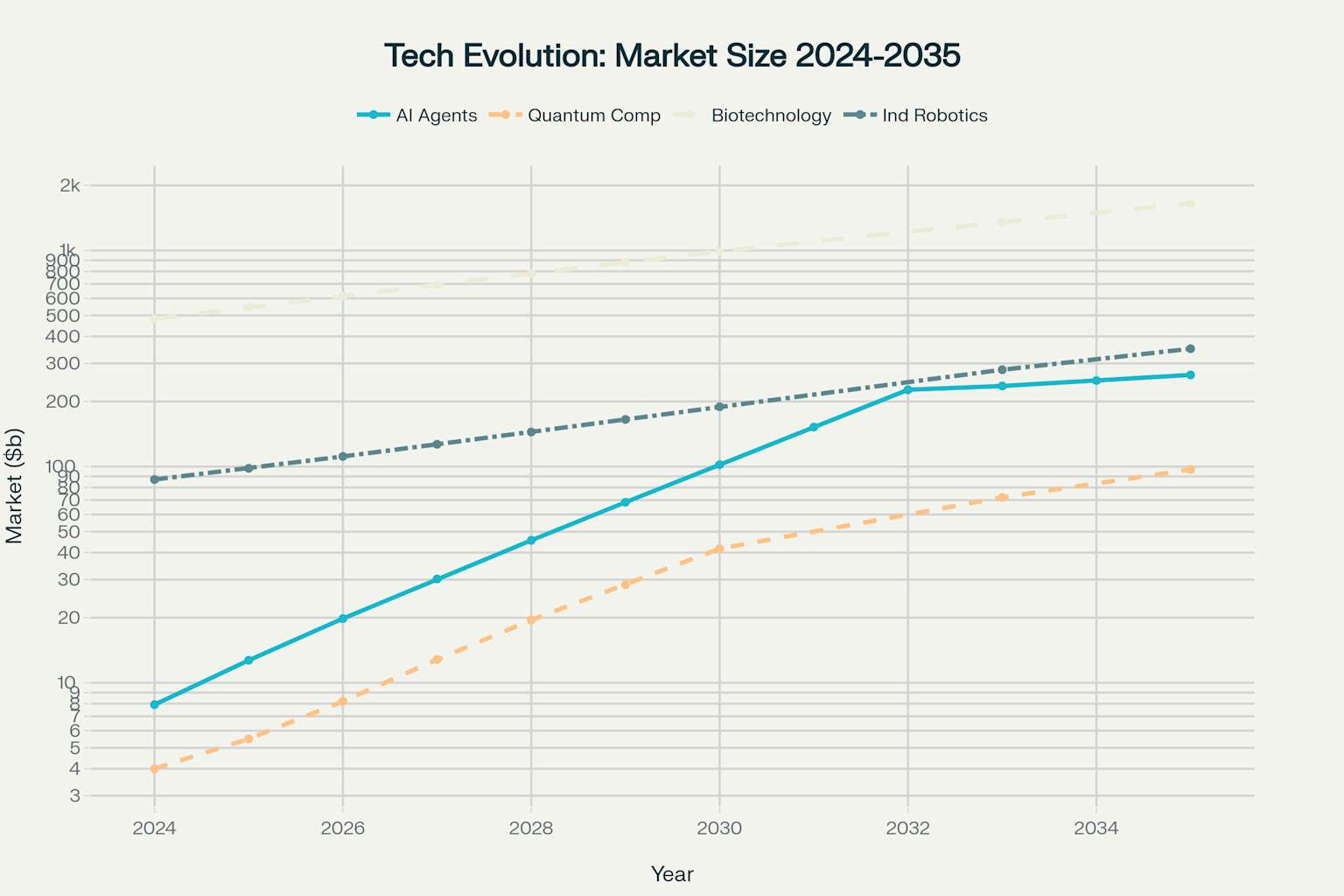
The rapid advancement of AI agents occurs within a broader technological ecosystem where quantum computing, biotechnology, and robotics are experiencing simultaneous breakthroughs. Understanding these parallel developments is crucial for strategic planning, as their convergence will create opportunities and challenges that pure AI-focused strategies cannot anticipate.
Strategic Recommendations for Organizations
A strategic roadmap for the implementation of AI agents would span across three time frames. The near-term steps (2025) focusing on low-risk, high-value applications like document processing, establishing governance frameworks, and developing interdisciplinary teams. The medium-term strategy (2026–2028) demands scaling implementations, designing quantum-ready architectures, and developing partnerships for convergent capabilities with fields like biotechnology and robotics. The long-term vision (2029–2035) is to lead industry leadership, shape regulatory frameworks, and create ecosystem leadership through building standards and platforms that enable wide-based adoption and long-term competitive superiority by sustained innovation and execution excellence.
Conclusion
The shake-out period now in AI agents is a make-or-break pivot point where early strategic decisions will set long-term competitive momentum. Organizations that build strong agentic capabilities today—particularly around document processing, automated summarization, and micro-course scheduling—will ride their learning advantages as higher-performing models emerge post-2027.
The convergence of AI agents with quantum computing, biotechnology, and robotics holds unprecedented opportunities for companies willing to navigate this multi-faceted terrain. Those who see AI agents within a broader technological system, rather than as an end capacity, will be best advised to make the most of the synergistic benefits of simultaneous breakthroughs in technologies.
The data also clearly indicates AI agents are not walking towards extinction but towards maturity, where effective applications expand exponentially and bad projects are eliminated. Natural selection will ultimately strengthen the ecosystem with healthy, beneficial applications that transform how organizations compete and operate.
The decade ahead belongs to organizations that start building today, learning from hands-on implementation while positioning for the convergent capabilities that will shape the post-2027 technological age. The shake-out period is not a threat to be braved but a chance to be seized by those ready to lead the next wave of technological disruption.