



The World Economic Forum’s 56th Annual Meeting wrapped up a week ago on January 23rd in Davos-Klosters, and the AI narrative was everywhere. Jensen Huang’s “five-layer cake.” Dario Amodei’s job apocalypse predictions. Elon Musk’s claim that AI will surpass all human intelligence by year’s end.
The annual gathering of global elites set the tone for 2026.
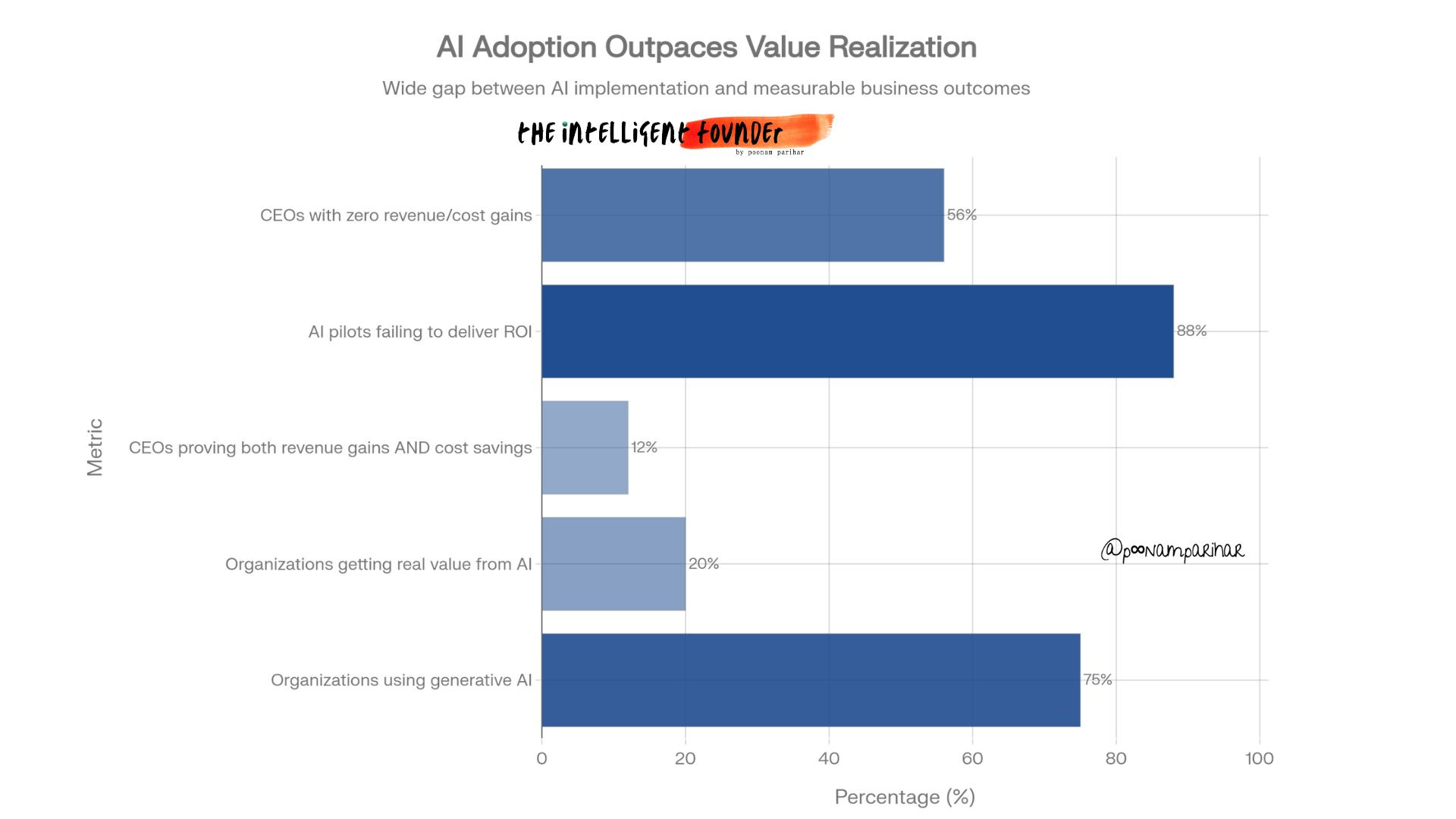
But here’s what the coverage didn’t tell: 88% of AI deployments are failing to deliver ROI. Only 12% of CEOs can prove their AI investments generated both revenue gains and cost savings. And CEO confidence in revenue growth just hit a five-year low, and there is more.
Here’s what the latest data actually shows:
88% AI deployment failure rate on ROI
56% of CEOs report zero gains from AI investments
12% achieved both revenue AND cost reductions
95% of AI pilots fail to deliver value
30% CEO confidence (5-year low)
$480M largest seed round in tech history (pre-product)
40%+ of seed/Series A going to $100M+ rounds
$1.5 trillion infrastructure investment projected over 5 years
$450 billion in AI CapEx from 5 US companies in 2026 alone
92 million jobs displaced by 2030
170 million new jobs created by 2030
China 6-12 months behind (not years)
6.6 gigawatts of nuclear deals signed by Meta
87% of executives see AI vulnerabilities as top threat
The disconnect between Davos rhetoric and operational reality has never been wider. The promises made on stage were sincere but misleading:
Jobs will be created, but not for the people losing them
ROI will materialize, but only for the 12% who redesign their organizations
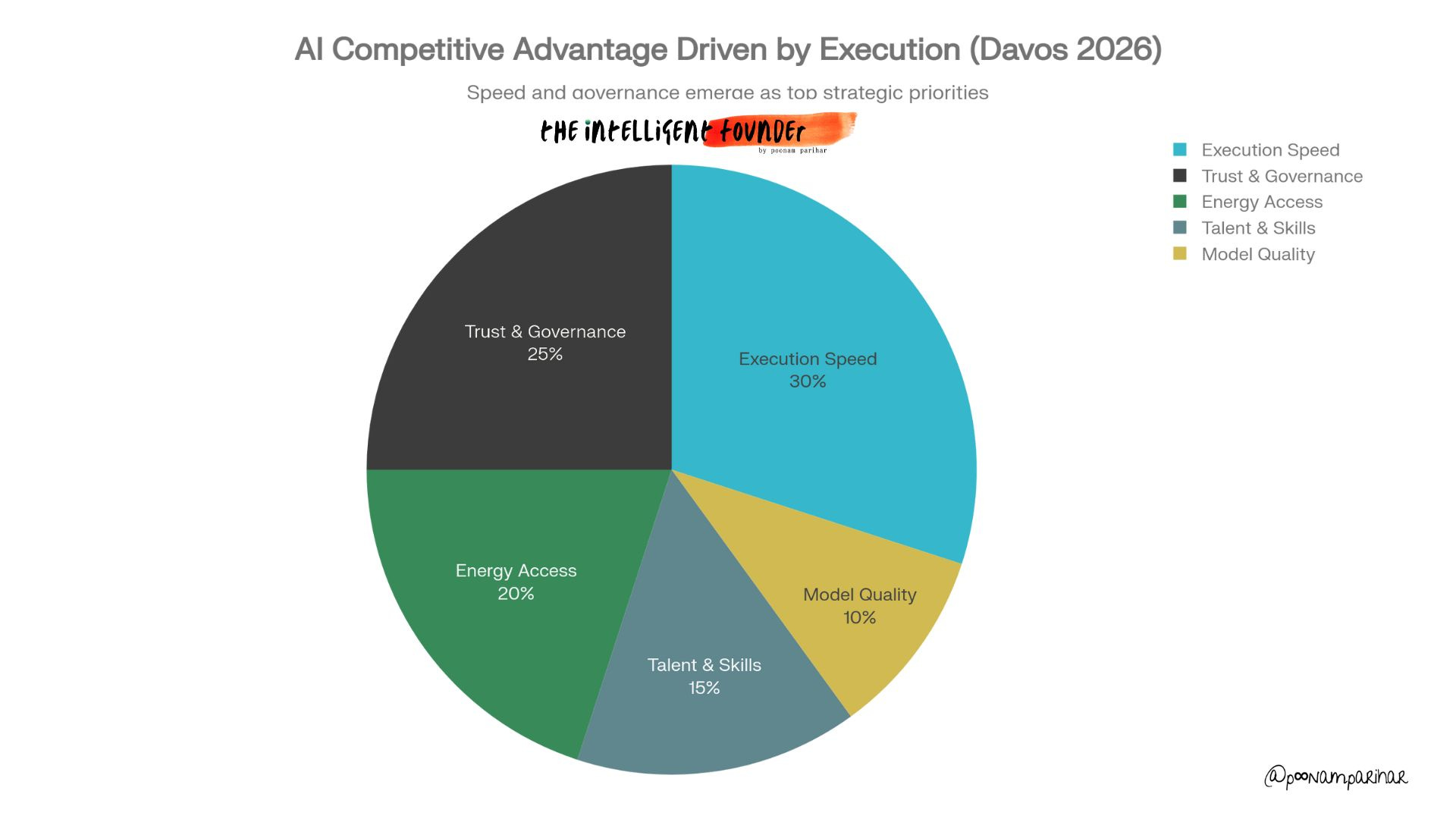
Models will improve, but that improvement won’t be the differentiator
America may lead, but China is closer than anyone wants to admit
AI will transform everything, but the benefits will concentrate unless deliberately distributed
The Real Agenda: Power, Not Progress
While previous years featured cautious optimism about AI’s potential, This year’s Davos gathering felt like a collective confession from the architects of the AI revolution, a decisive shift that the era of AI hype has ended, and the age of AI reckoning has begun.
The CEOs building artificial intelligence didn't speak in abstractions. They looked into cameras and admitted what many suspected but only a few actually dared say aloud that » automation of junior roles has already begun, 92 million jobs will disappear by 2030, and whoever controls low-cost energy will dominate the new economy.
But between the carefully crafted soundbites and grand pronouncements, a darker narrative emerged, one that was deliberately left unspoken in the Alpine theater.
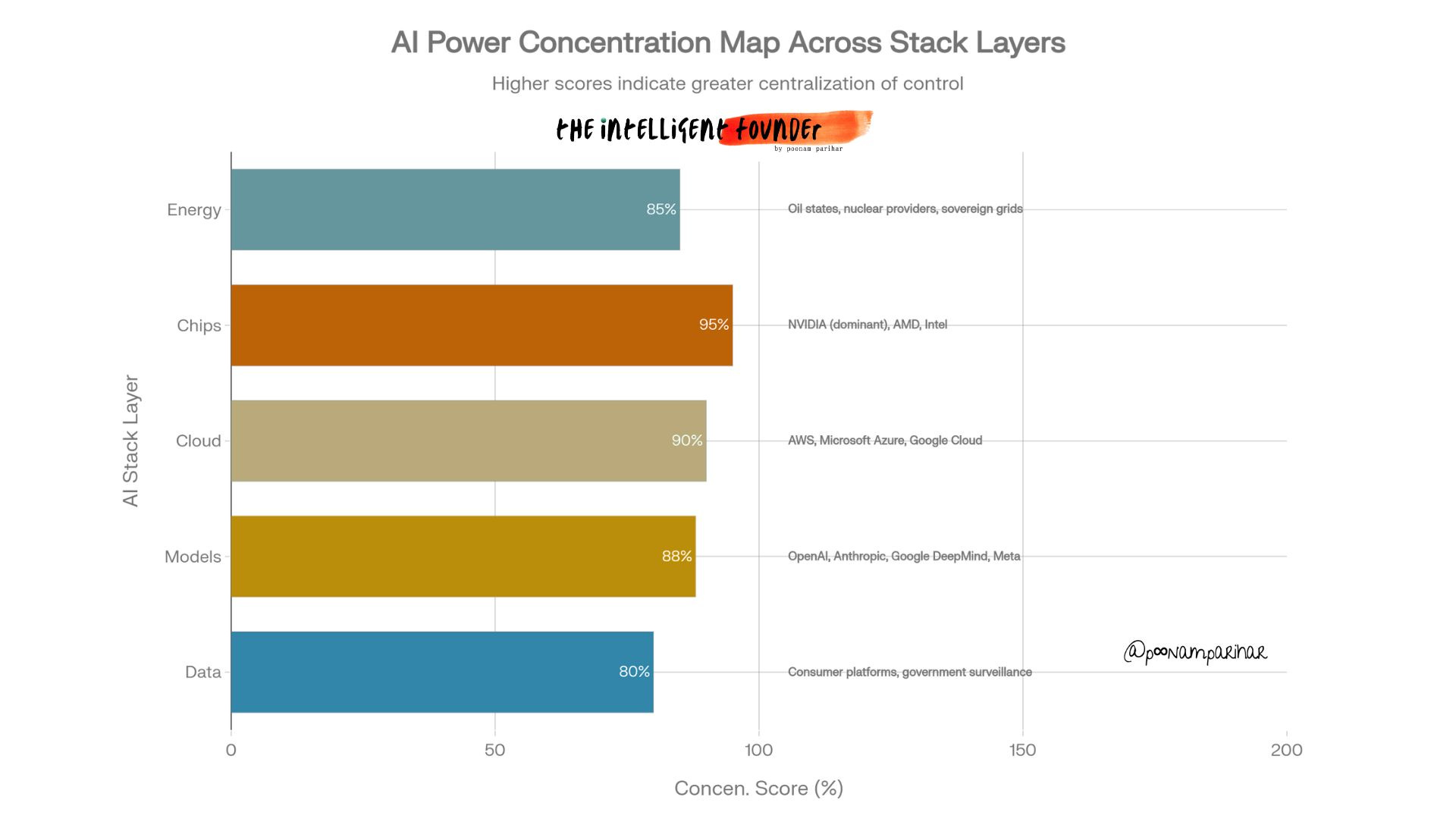
Davos 2026 showed the world can't agree on how to control AI, China is catching up much faster than anyone predicted, and the money is flowing to those who build and own the tech. The environmental damage and security threats were brushed aside, and no one answered who benefits besides the people at the top.
What Founders Actually Need to Know
Davos 2026 will be remembered as the moment AI stopped being a technology story and became an infrastructure story, a governance story, and increasingly, a story about who captures the value of the most significant technological shift since the internet.
Larry Fink’s admission that Davos itself “has lost trust” and “feels out of step with the moment” may be the most honest statement from the entire gathering. The forum’s elite are aware they’re shaping a world that belongs to everyone while consulting almost no one outside their circle.
But for founders, the path forward isn’t to believe or disbelieve the Davos narrative. It’s to understand the gap between what was said and what the numbers show, and to build for the world that actually exists, not the one being described from a Swiss mountaintop.
The question isn’t whether AI will change your business. The question is whether you’ll lead the change or suffer it.
And that question has a deadline.
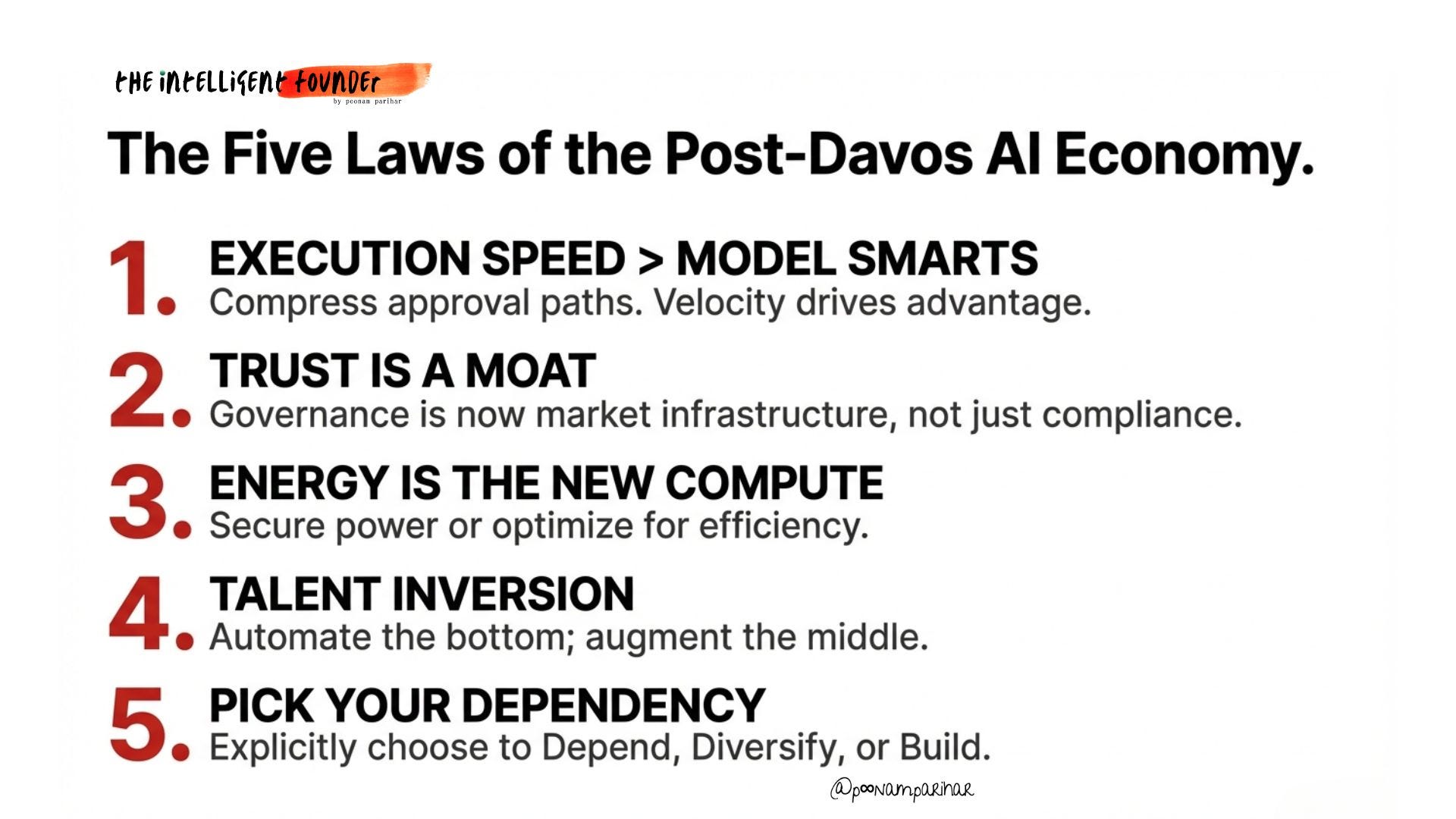
The 88% failure rate isn’t just a statistic. It’s a market.
It’s an opportunity to:
Move fast
Cut approval layers and ship before competitors do.
Up-skill your people
Train your team now; they’re the real bottleneck, not the tech.
Bet on physical AI
Start exploring robotics, manufacturing, and logistics applications.
Pick your dependency
Decide today: build your own stack, partner with giants, or hedge with open-source.
In this podcast episode, we cover:
📉 Why are 88% of AI projects failing?
🏢 Which 5 companies now control the entire AI stack?
🤫 What are CEOs saying privately that they won’t say on stage?
🇨🇳 How close is China really?
💼 When will the job losses actually hit?
💰 Where should founders be building right now?


